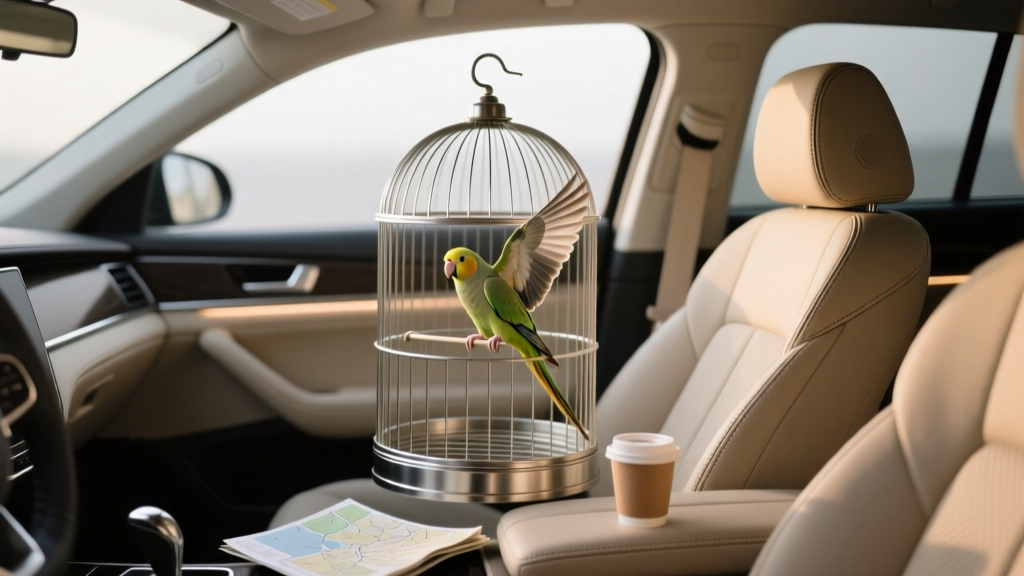
Ultimate Guide to Bird Cage Transport - CarInteriorMix
Transporting a bird cage in a car sounds simple until you hit your first pothole, sudden stop, or summer heat wave. Birds are highly sensitive to stress, temperature swings, fumes, and motion?yet most of us transport them in the same cabin we use for groceries, sports gear, and kids? backpacks. The good news: with the right setup, your car interior can be a safe, quiet, temperature-stable ?travel room? for your bird.
This guide is written for car owners and enthusiasts who care about doing things properly. You?ll learn how to secure a bird cage for car travel, protect your upholstery, minimize noise and vibration, manage airflow safely, and avoid the common mistakes that lead to anxious birds or unsafe driving conditions. Whether you?re heading to a vet appointment, moving to a new home, or going on a longer road trip, the details matter.
We?ll focus on practical, real-world solutions that work with modern car interiors?seat belts, cargo anchors, rear-seat layouts, and the realities of air conditioning, sun exposure, and interior materials.
Before You Go: Choose the Right Travel Setup
Travel cage vs. full-size cage
For most trips, a smaller travel cage or carrier is safer than a full-size bird cage. Full cages can be top-heavy, harder to secure, and more likely to shift. A dedicated travel cage is designed to be compact, stable, and easier to strap down.
- Best for short trips (vet, grooming): A sturdy travel carrier with a secure door latch.
- Best for longer trips (1+ hour): A travel cage with a stable base, good ventilation, and room for a perch.
- When a full-size cage is unavoidable: Moving day or relocating. Plan for extra securing points and more interior protection.
Size, perch placement, and interior layout
A travel cage should allow your bird to stand naturally and turn around, but not be so large that it becomes a ?bounce box? under braking.
- Perch: Use a low perch to reduce fall risk. Avoid high perches during travel.
- Bowls: Remove open water bowls for short trips to prevent spills; offer water at stops. For longer trips, consider a no-drip bottle designed for birds, introduced before travel day.
- Toys: Skip dangling toys that swing into the bird. Choose one lightweight comfort item if needed.
Ventilation without drafts
Airflow is critical, but direct drafts can stress birds. Aim for gentle cabin circulation rather than air blasting directly at the cage.
Where to Place the Bird Cage in the Car
Safest placement: rear seat, secured
For most sedans, coupes, and crossovers, the rear seat is the best balance of stability and climate control. It?s also easier to monitor from the front without turning around.
- Ideal spot: Rear seat, passenger-side position (curb side for safer loading/unloading).
- Avoid: Front passenger seat with an active airbag. Even a minor crash could be catastrophic.
SUVs and hatchbacks: cargo area considerations
A cargo area can work if it?s climate-controlled (many SUVs are) and you can anchor the cage to tie-down points. The risk in a cargo area is sliding and heat buildup near the hatch glass.
- Use cargo anchors and ratchet straps or cam straps (not bungees).
- Keep the cage out of direct sunlight from the rear window.
- Confirm rear vents actually deliver airflow to the cargo area.
Pickup trucks
Never transport a bird cage in an open bed. Inside the cab is the only reasonable option.
Step-by-Step: How to Secure a Bird Cage for Car Travel
Step 1: Prep the cage for movement
- Latch-check every door and feeder access panel.
- Remove swinging accessories (bells, long ropes, hanging toys).
- Place a liner (paper or thin towel) on the cage bottom to reduce sliding debris.
- If using a perch, set it low and tighten hardware.
Step 2: Protect your car interior
Bird transport can mean droppings, seed hulls, and claw marks. Protecting your seats and trim makes cleanup quick and reduces odor buildup.
- Seat protector: Use a washable seat cover or a dedicated pet seat protector under the cage.
- Door panels: If the cage is near a door, add a towel barrier so the cage doesn?t rub trim.
- Floor mats: Rubber mats are easier to clean than carpet mats if you expect mess.
Step 3: Use the seat belt as a primary restraint (rear seat method)
- Place the cage flat on the seat (never tilted).
- Route the seat belt around the cage?s solid frame (not through bars that could bend).
- Buckle the belt and pull it snug so the cage can?t tip.
- If your car has a locking retractor, slowly pull the belt all the way out and let it retract to lock.
Step 4: Add a secondary restraint (highly recommended)
A second restraint prevents shifting during hard braking or cornering.
- Cam buckle strap: Wrap around the cage base and anchor to seat frame points or rear-seat lower anchors (LATCH/ISOFIX) if appropriate for the strap hardware.
- Non-slip layer: Place a rubberized shelf liner under the cage for added grip.
Step 5: Cover strategically to reduce stress
Many birds travel calmer with partial coverage. Don?t fully seal the cage?ventilation matters.
- Use a light, breathable cover over 1/2 to 2/3 of the cage.
- Leave the side facing the cabin slightly open so you can check on your bird.
- Avoid heavy blankets that trap heat.
Climate Control, Air Quality, and Noise: Car Interior Basics That Matter
Temperature targets
Most companion birds do best in a stable, moderate cabin temperature. What causes trouble is rapid change?like walking from a warm house into a cold car, or blasting AC directly on the cage.
- Pre-condition the car for 5?10 minutes before loading the bird.
- Aim for gentle airflow and steady temperature rather than ?max AC.?
- Never leave a bird unattended in a parked car, even ?for a minute.?
Fumes and aerosols
Bird respiratory systems are sensitive. Your car interior can harbor smells and chemicals that don?t bother humans.
- Skip air fresheners, odor bombs, and strong interior sprays before transport.
- Don?t smoke or vape in the car.
- If you?re using a new car or recently detailed interior, air it out first.
Noise and vibration reduction
Road noise, bass-heavy music, and vibration from rough pavement can stress birds. A few simple tweaks help:
- Keep music low and avoid heavy bass.
- Choose smoother routes when possible.
- Add a folded towel under the cage (on top of the seat protector) to damp vibration, as long as the cage stays stable.
Product Recommendations: What Works Well in Real Cars
Travel carriers and cages (what to look for)
Rather than focusing on one brand, prioritize features that translate into safer bird cage transport in a car:
- Secure latches: Prefer locking or double-latch doors.
- Rigid frame: Less flex means easier seat belt restraint.
- Stable base: Wider footprint reduces tipping.
- Easy-clean tray: Helpful after vet trips or longer drives.
Seat protection and restraint gear
- Pet seat cover (hammock style optional): Great for containing debris; choose a non-slip backing.
- Rubber shelf liner: Cheap, effective anti-slip layer under the cage.
- Cam buckle straps: Better than bungees; controlled tension without sudden recoil.
- Cargo net (SUVs): Adds a containment layer in cargo areas, but should not be the only restraint.
Air and sun management
- Window sun shades: Reduces radiant heat on the cage.
- Rear vent direction clips (if your car supports it): Helps aim airflow away from the cage while still circulating air.
Real-World Examples: Two Common Transport Scenarios
Scenario 1: Quick vet visit in a sedan
- Use a compact travel carrier.
- Rear passenger-side seat placement.
- Seat belt routed around the carrier?s solid body, tightened and locked.
- Light cover over the top and far side to reduce visual stress.
- Cabin pre-cooled/warmed before loading.
Scenario 2: Moving day with a larger cage in an SUV
- If possible, transport the bird in a travel cage and move the full-size cage separately.
- If the bird must ride in a larger cage, anchor it in the cargo area using tie-down points and cam straps.
- Use sun shades on rear glass and confirm airflow reaches the rear.
- Stop every 60?90 minutes to check your bird and offer water in a calm environment.
Common Mistakes to Avoid
- Placing the cage on a seat without restraint: A sudden stop can turn it into a projectile.
- Using the front passenger seat with an airbag: Airbags deploy fast and forcefully.
- Full cage cover with poor ventilation: Heat builds quickly, especially in sunny conditions.
- Direct AC or heat blasting on the cage: Draft stress is real, and it can dry out or chill a bird.
- Bungee cords as restraints: They allow bounce and can snap back.
- Loose items in the cabin: Heavy bottles, tools, or bags can strike the cage in a hard brake.
- Strong fragrances or cleaners: Birds can react to fumes long after humans stop noticing them.
- Skipping a test drive: If your setup slides on a slow lap around the block, it won?t improve at highway speed.
FAQ: Bird Cage Transport in a Car
Should I transport my bird in its regular cage or a travel carrier?
For most trips, a travel carrier or travel cage is safer and easier to secure with a seat belt. Use the regular cage only when necessary (like moving), and plan extra tie-down points.
Can I put a bird cage on the front seat if I turn the airbag off?
If your vehicle truly allows the passenger airbag to be disabled and you?re confident it?s off, it reduces risk?but the rear seat is still the better spot for stability and reduced dash/windshield sun exposure.
How do I keep my car interior clean during bird transport?
Use a washable seat cover under the cage, add a rubber liner for grip, and place an absorbent layer inside the cage tray. Bring a small handheld vacuum for seed hulls after the trip.
Is it okay to cover the cage while driving?
Partially, yes. A breathable cover can reduce stress, but keep airflow paths open and avoid thick blankets that trap heat. Check your bird regularly.
How often should I stop on a long drive?
A good rhythm is every 60?90 minutes to visually check your bird, confirm temperature/ventilation, and offer water in a calm, safe location. Avoid opening the cage in unsecured areas.
What?s the biggest safety upgrade I can make for bird cage transport?
Proper restraint. A seat belt plus a secondary strap (or anchored straps in a cargo area) makes the biggest difference in preventing tipping and sliding during emergency maneuvers.
Next Steps: A Quick Pre-Drive Checklist
- Car pre-conditioned (temperature steady, no strong scents)
- Cage latched, perch low, loose toys removed
- Seat protected (cover + non-slip liner)
- Cage secured (seat belt locked + secondary strap if possible)
- Sun managed (shades if needed, no direct glare on cage)
- Loose cabin items stowed
- Short test movement check (push the cage gently?minimal shift)
Dial in your setup once, and future trips get dramatically easier?cleaner interior, calmer bird, and fewer distractions while driving. If you?re building a safer, more comfortable cabin for every passenger (feathered included), explore more practical car interior guides at carinteriormix.com.